
Why the Proposed Lamu Oil Refinery Raises Serious Questions for Kenya’s Energy Future
The recent announcement that Dangote Industries intends to develop a large-scale oil refinery in Lamu has reignited an important national conversation: what kind of energy future does Kenya want to build?
From the perspective of the deCOALonize Campaign, the proposal raises concerns not only about the environmental and climate implications of investing in new fossil fuel infrastructure, but also about whether Kenya has fully learned the lessons of the Lamu coal plant case.
In 2019, the National Environment Tribunal revoked the environmental licence for the proposed Lamu coal power plant, citing, among other issues, inadequate public participation and shortcomings in the environmental assessment process. The case became a landmark victory for communities, civil society organisations, and citizens who argued that major energy decisions should not be made without meaningful public engagement.
Today, as discussions emerge around a proposed oil refinery in Lamu, many of the same questions remain relevant:
- Have local communities been adequately informed and consulted?
- What environmental and social risks have been assessed?
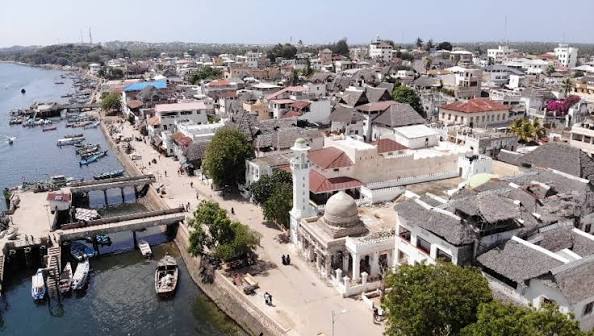
- How will the project affect local livelihoods, fisheries, tourism, and cultural heritage?
- Does investing in new fossil fuel infrastructure align with Kenya’s climate commitments and development aspirations?
Kenya has established itself as a global leader in renewable energy. The country already generates the majority of its electricity from renewable sources, including geothermal, wind, hydro and solar. This leadership has positioned Kenya as an example of how African countries can pursue economic development while building cleaner and more resilient energy systems.
Against this backdrop, investing billions of dollars in long-term oil infrastructure raises questions about whether scarce resources, policy attention and infrastructure investments are being directed toward the sectors that will create sustainable jobs and prosperity in the decades ahead.
The world is undergoing a profound energy transition. While oil and gas continue to play a role in today’s economy, global markets are increasingly investing in renewable energy, battery storage, electric mobility, energy efficiency and green industrial development. Kenya has an opportunity to strengthen its position in these emerging sectors rather than deepen dependence on fossil fuel infrastructure whose economic viability may be challenged over time.
This is not merely an environmental debate. It is a conversation about economic competitiveness, public health, community rights, and long-term development.
The deCOALonize Campaign believes that any proposal of this scale must be subjected to rigorous environmental assessment, transparent decision-making and meaningful public participation.
Communities must have access to information and an opportunity to shape decisions that will affect their future.
The lessons of Lamu should not be forgotten. Kenya’s energy future should be determined through inclusive processes that prioritise people, sustainability and long-term prosperity.
As more information about the proposed refinery becomes available, citizens, communities and decision-makers should engage in an open and evidence-based conversation about whether expanding fossil fuel infrastructure is compatible with the country’s vision for a just, renewable and resilient future.